18%
Targets on track
Of assessable SDG targets with trend data, only about 18% are on track (SDG Report 2025). Another ~17% show moderate progress.
UN SDG Report 2025

Why · Super-Cube®
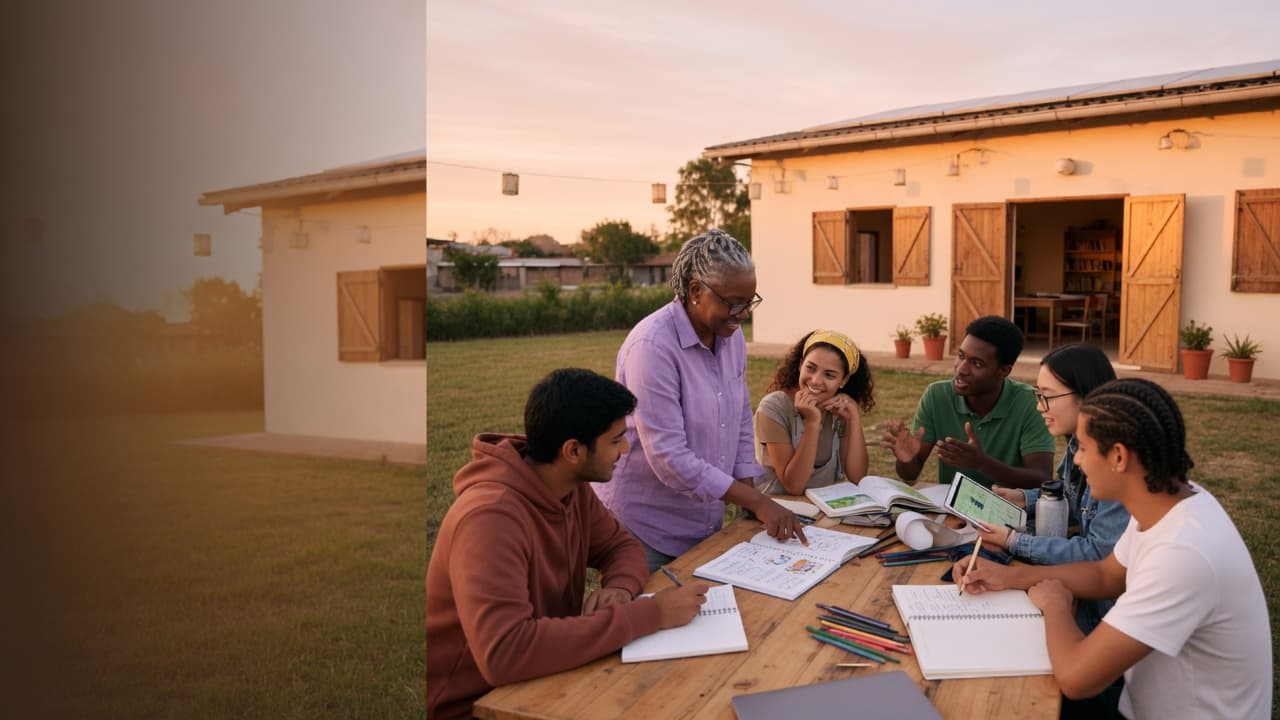
The UN Sustainable Development Goals (SDGs) are humanity’s shared agenda for people, planet, and prosperity. Progress is off track—not only for lack of money or technology, but for lack of human-centric leadership at every level.
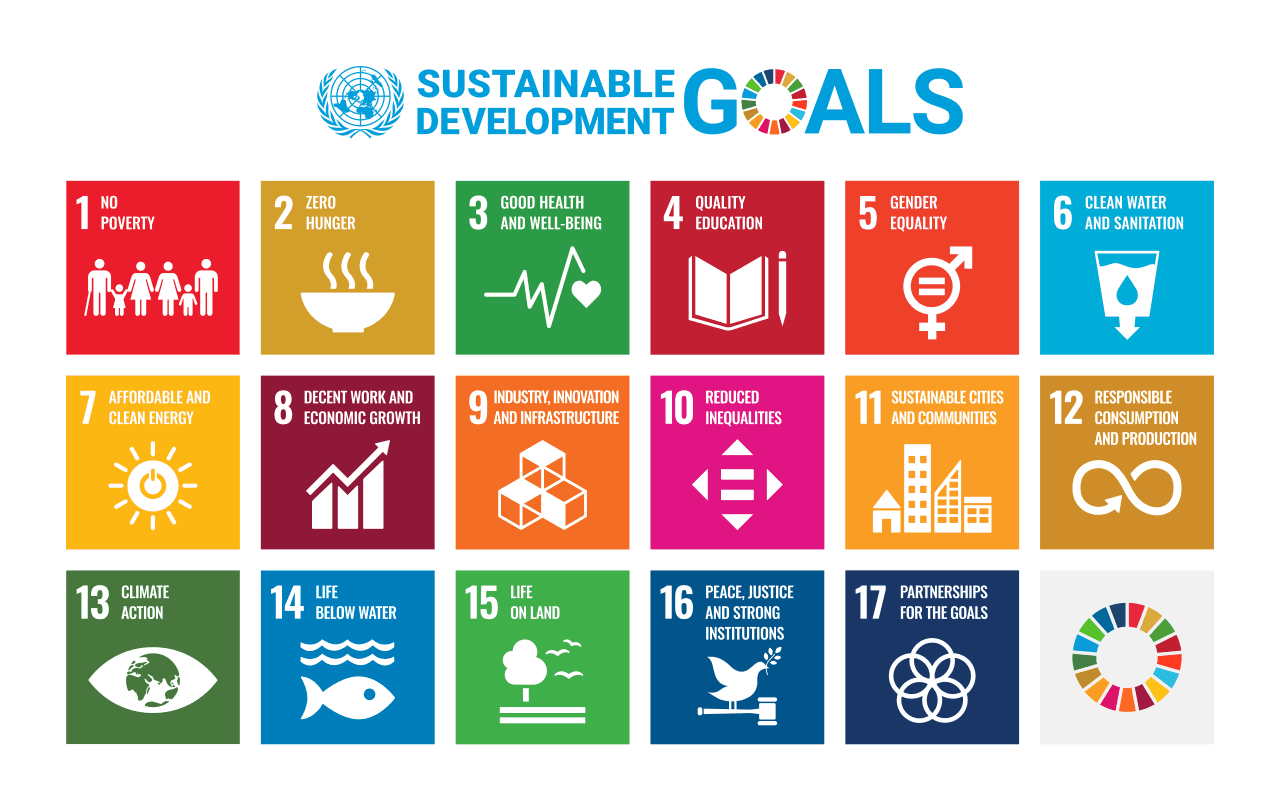
2030 Agenda · 17 Goals
One shared plan for people, planet, and prosperity.
The leadership case
Policies, capital, and innovation matter—but they do not implement themselves. Leaders set direction, build trust, make hard trade-offs, and sustain coalitions when conditions are messy.
From classrooms to boardrooms, ministries to markets, leadership determines whether ambition becomes action. Super-Cube® starts with the individual—because systems change when people with agency, principles, and skill show up consistently.
The 2030 Agenda asks for more than technical competence. It asks for leaders who can hold complexity (Choices), earn trust (Principles), think in systems (Mental), mobilise people (Emotional), sustain energy (Physical), and serve a purpose larger than themselves (Spiritual).
Below: the latest global picture on SDG progress, the 17 Goals, and why leadership capacity is central to closing the gap. See leadership challenges →
Latest global picture
Figures drawn from the UN Sustainable Development Goals Reports (2024 and 2025). They describe global trends—not a verdict on any single country.
18%
Targets on track
Of assessable SDG targets with trend data, only about 18% are on track (SDG Report 2025). Another ~17% show moderate progress.
UN SDG Report 2025
35%
Adequate progress
Combined, only about 35% of assessable targets are on track or making moderate progress toward 2030.
UN SDG Report 2025
18%
In reverse
Roughly one in six assessable targets show regression—progress going backwards against the 2015 baseline.
UN SDG Report 2025
2030
Deadline
Fewer than five years remain of this decade of action. Current trajectories fall far short of the 2030 Agenda promise.
UN 2030 Agenda
Compared with 2019, millions more people were pushed into extreme poverty and over 100 million more were suffering from hunger by 2022—setbacks driven by pandemic aftershocks, conflict, and price spikes.
UN SDG Report 2024
In 2024, completion rates reached about 88% (primary), 78% (lower secondary), and 60% (upper secondary)—gains since 2015, but progress has slowed. Around 272 million children and youth remain out of school.
UN SDG Report 2025
Escalating climate impacts, geopolitical tension, and conflict continue to undermine development gains—raising civilian harm, disrupting food systems, and diverting resources from long-term investment.
UN SDG Report 2024
The goals are agreed. What lags is coordinated execution—across governments, business, civil society, and communities. That is a leadership problem as much as a technical or financial one.
Super-Cube® framing
The 17 Sustainable Development Goals
Adopted by UN Member States in 2015, the SDGs are a shared blueprint to end poverty, protect the planet, and ensure peace and prosperity by 2030. Each goal below uses its official UN colour.
Goal 1
No Poverty
End poverty in all its forms everywhere
Dignity, safety nets, and inclusive growth
Goal 2
Zero Hunger
End hunger, achieve food security and improved nutrition
Food systems, nutrition, and resilient agriculture
Goal 3
Good Health
Ensure healthy lives and promote well-being for all
Health systems, equity, and care leadership
Goal 4
Quality Education
Ensure inclusive and equitable quality education
Learning, skills, and human capital
Goal 5
Gender Equality
Achieve gender equality and empower all women and girls
Rights, voice, and fair opportunity
Goal 6
Clean Water
Ensure availability and sustainable management of water
Water stewardship and public infrastructure
Goal 7
Clean Energy
Ensure access to affordable, reliable, sustainable energy
Energy transition and just access
Goal 8
Decent Work
Promote sustained, inclusive economic growth and decent work
Jobs, enterprise, and fair workplaces
Goal 9
Industry & Innovation
Build resilient infrastructure and foster innovation
Infrastructure, industry, and R&D
Goal 10
Reduced Inequalities
Reduce inequality within and among countries
Inclusion, mobility, and fair systems
Goal 11
Sustainable Cities
Make cities and human settlements inclusive and sustainable
Urban leadership and community design
Goal 12
Responsible Consumption
Ensure sustainable consumption and production patterns
Circular value chains and stewardship
Goal 13
Climate Action
Take urgent action to combat climate change and its impacts
Mitigation, adaptation, and resilience
Goal 14
Life Below Water
Conserve and sustainably use the oceans, seas and marine resources
Oceans, coasts, and blue economy
Goal 15
Life on Land
Protect, restore and promote sustainable use of terrestrial ecosystems
Biodiversity, forests, and land health
Goal 16
Peace & Justice
Promote peaceful and inclusive societies and accountable institutions
Institutions, trust, and rule of law
Goal 17
Partnerships
Strengthen the means of implementation and global partnership
Collaboration across sectors and borders
Official UN SDG icons, colours, and titles · 2030 Agenda
Leadership × the SDGs
The SDGs will not be achieved by reports alone. They require leaders who can choose wisely, govern fairly, think systemically, mobilise people, sustain effort, and stay anchored in purpose.
01
No single ministry, company, or NGO can deliver an SDG alone. Leadership is the skill of aligning diverse actors around shared outcomes—without erasing local context.
02
Energy transition, food security, jobs, and equity often pull in different directions. Leaders must hold complexity, make values-explicit choices, and communicate them with integrity.
03
Where institutions are weak or trust is thin, capital and cooperation stall. Principled, emotionally intelligent leadership rebuilds the social infrastructure SDG delivery depends on.
04
2030 is near; many goals need decades of follow-through. Physical and spiritual leadership—energy, meaning, and purpose—keep teams and communities in the work.
Super-Cube® for sustainable development
Human-centric leadership development is not a side programme to the SDGs—it is enabling infrastructure. Each Super-Cube® construct strengthens capabilities the Goals require.
SDG trade-offs are real: growth vs. climate, speed vs. inclusion. Leaders need decision intelligence, moral judgement, and calculated risk—not paralysis or shortcuts.
Goals 16 and 17 depend on integrity, contextual awareness, and accountable governance. Without principled leadership, partnerships collapse and inequality deepens.
The 2030 Agenda is a systems map. Strategic thinking, problem-solving, and applied knowledge turn global targets into local strategies that can actually be delivered.
SDG progress is multi-stakeholder work. Empathy, relationship skill, and the ability to motivate across difference keep coalitions alive when pressure rises.
Long-horizon missions need leaders who manage energy and resilience—personally and organisationally—so delivery does not burn out before 2030.
Leave-no-one-behind is a purpose statement. Meaning, transcendence, and spiritual intelligence anchor leaders when short-term incentives pull the wrong way.
From goals to practice
The SDGs define what we must achieve. Super-Cube® develops the human capability for how—starting with you at the centre, then radiating through teams, organisations, and networks.
Statistics are summarised from official UN publications for educational framing on this site. Always consult the latest UN SDG reports for full methodologies, country data, and updates. Super-Cube® does not claim UN endorsement.
Also see Super-Cube® research and the model.
Next step
Free baseline on this device—or book a school/company pilot with facilitator calendar, consented roster, and verify certificates.